If you’ve ever dealt with dry hair, you know it can be pretty frustrating. I’ve tried just about everything over the years to get my strands looking shiny and feeling soft again. Chemical laden shampoos and heavy conditioners sometimes just make things worse, leaving my scalp irritated and my hair dull. So, I turned to organic hair care and noticed some real changes. Both in how my hair looks and how it feels day to day. Here, I’m sharing my own guide for anyone curious about caring for dry hair using natural, gentle ingredients.
Why Use Organic Hair Care for Dry Hair?
Dry hair can be caused by things like frequent heat styling, harsh dyes, sun exposure, and even certain medications or underlying health issues. If any of this sounds familiar, organic hair care might be a good solution. Unlike conventional products packed with sulfates, silicones, and artificial fragrances, organic products focus on plant based ingredients that are much milder and nourish hair without stripping away moisture.
According to a study published in the International Journal of Trichology, people with dry hair or sensitive scalps often see improvement after switching to gentler, natural formulations. Organic products are typically free from parabens, sulfates, synthetic colors, and artificial scents. All things that can dry out hair further.
Opting for organic hair care also means choosing ingredients that are better for the environment, since they’re biodegradable and usually come with more responsible sourcing practices. For me, this peace of mind makes my wash day feel a bit better too.
Main Types of Organic Hair Care Products for Dry Hair
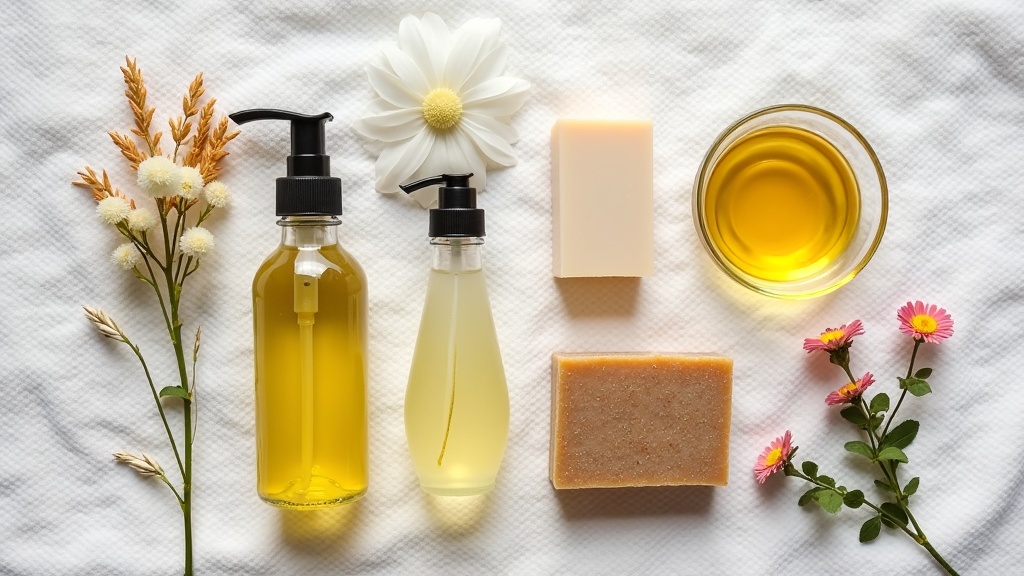
Here are some common organic products I reach for, especially when my hair feels dry or brittle:
- Organic Shampoo: Sulfate free shampoos with gentle cleansing agents, often based on coconut or sugar, keep the scalp clean without being harsh.
- Moisturizing Conditioner: Conditioners with shea butter, avocado oil, aloe vera, or coconut oil give rich moisture and help soften hair.
- Leave In Treatments: Lightweight serums, sprays, or milks with rose water, jojoba oil, or argan oil make a big difference on dry ends throughout the day.
- Hair Masks: Deep conditioning masks with natural butters and botanical oils add extra hydration and make hair less prone to breakage.
When shopping, look for certifications from organizations like USDA Organic or Ecocert on the label, which helps ensure the product has mostly natural ingredients and minimal artificial additives.
Simple Steps for an Organic Hair Care Routine for Dry Hair
Nailing the basics is really important when you’ve got dry hair, and a gentle approach pays off. Here’s how I usually organize my routine for the best results:
- Pre Treatment: I like to apply a nourishing oil, such as argan or sweet almond, to my dry hair and scalp before shampooing. Letting it sit for 20 to 30 minutes adds noticeable softness and helps loosen flakes if my scalp is dry.
- Gentle Cleansing: Choose an organic shampoo, lather mainly at the roots, and avoid overwashing. Two or three times a week is usually enough unless you exercise a lot.
- Condition Deeply: Slather an organic conditioner on the midlengths and ends, then leave it for a few minutes while you do other shower tasks. The extra time lets nutrients sink in.
- Weekly Hair Mask: Once a week, I use a deep treatment mask. Organic options rich in coconut milk, yogurt, or banana are super nourishing.
- Go Easy on Heat: Air dry when you can, or use the cool setting on your dryer. When using styling tools, always add a light layer of organic heat protectant serum first.
- Daily Hydration: Spritz on a little hydrating mist or apply a few drops of natural oil to the ends each morning to keep dryness at bay.
Following this process cut down on split ends and made my hair feel so much smoother after just a few weeks.
Key Organic Ingredients That Help With Dry Hair
These ingredients show up again and again in my favorite organic hair care products, and I’ve seen real differences using them:
- Coconut Oil: Packed with fatty acids that seep into the hair shaft and lock in moisture.
- Shea Butter: Offers natural conditioners that soften hair and calm a dry scalp.
- Aloe Vera: Adds serious hydration and soothes irritation. If your scalp feels itchy, look for aloe based products.
- Argan Oil: Known for its ability to nourish both hair and scalp without feeling greasy.
- Honey: Works as a humectant, drawing moisture into each strand. Some hair masks even use raw honey.
- Avocado Oil: Loaded with vitamins and antioxidants, it strengthens weak or brittle hair.
One of my favorite weekend DIY treatments is an avocado and honey mask. Just mash half an avocado, add a tablespoon of honey, spread on your hair for 30 minutes, and rinse with cool water. My hair feels crazy soft after that.
Things to Think About When Choosing Organic Hair Care Products
Picking the right product can be tricky. I always keep a few things in mind to avoid wasting money, and time, on formulas that don’t work for me:
- Read Ingredient Lists: Choose products where the first few ingredients are plant based and easy to recognize, like floral water, aloe, or seed oils.
- Avoid Harsh Additives: Stay clear of sulfates (SLS/SLES), parabens, synthetic fragrances, and drying alcohols (like SD alcohol or denatured alcohol).
- Trust Your Senses: Natural products often have mild, earthy scents (unless there’s added organic essential oil). If something smells overwhelmingly strong or artificial, it might not be as natural as it claims.
- Patch Test New Products: I always try a tiny bit of any new shampoo or mask on my inner arm to check for any irritation before using it on my scalp.
- Check Certifications: Look for logos from trusted organic certifying bodies. Brands with transparent sourcing and ingredient info tend to be more reliable.
Practical Tips for Managing Dry Hair Organically
Working organic hair care into your daily life doesn’t need to be complicated. Here are a few easy tricks I follow, especially when dryness tries to sneak in:
- Switch to a Silk or Satin Pillowcase: Cotton pillowcases snag hair and soak up moisture. Silk or satin helps hair glide and hold on to natural oils.
- Don’t Over wash: Washing less frequently helps your scalp replenish its oils, which is super helpful for anyone with dry or curly hair.
- Rinse With Cool Water: Hot water can dry hair out. Finishing with a cool water rinse smooths the cuticle (the outermost layer of hair), which makes hair look shinier.
- Limit Hair Dye: If you color your hair, try using henna or herbal dyes. These are less damaging and often more conditioning.
- Protect from the Sun: UV rays can dry hair out fast. A scarf, hat, or just a dab of organic oil before heading outside helps reduce sun damage.
Common Mistakes With Organic Hair Care for Dry Hair
Here are some things I’ve done (and sometimes still slip up with) that can make dry hair harder to manage, even with the best organic products on hand:
- Using Too Much Oil: More isn’t always better. Heavy handed oiling can weigh hair down or make it look greasy. Start with a small amount and adjust as needed.
- Not Clarifying Enough: Even organic products can build up over time, especially if you use oils or butters. Using a gentle, clarifying shampoo once a month prevents dullness without stripping moisture.
- Expecting Instant Results: Natural remedies work a bit more slowly than harsh commercial options, so give your new routine a few weeks before judging the results.
- Ignoring the Scalp: Healthy hair starts at the scalp. Light exfoliation with organic scrubs or a scalp massage brush helps keep roots strong.
Frequently Asked Questions
These are questions I hear a lot from friends, readers, and at the local organic shop:
How long does it take to see results with organic hair care?
In my experience, it usually takes 2 to 4 weeks for major changes in moisture and softness. The key is consistency and patience.
Are organic hair care products safe for color treated hair?
Most are, especially those free from sulfates and harsh cleansers. Always double check the label if you have salon color, just to be sure.
Can I use DIY remedies like coconut oil on my hair daily?
A small amount on ends or dry patches is fine. For a full hair oil treatment, once a week is a good starting point. This avoids buildup and helps keep hair balanced.
Finding the Best Routine for Your Hair
Switching to organic hair care takes a bit of trial and error, but I’ve found it’s worth it for softer, healthier hair that doesn’t feel weighed down. Pay attention to what your hair needs, keep things gentle, and don’t be afraid to experiment with new natural ingredients or brands. Your hair, and the planet, will thank you for it. Staying consistent makes a difference, and you might even discover some new organic favorites along the way!